From Waste to Living Soil: Using LAB & Bokashi Through a Permaculture Lens
In permaculture, we’re always asking the same question: how can this system feed itself? Kitchen scraps become compost, compost becomes soil, soil becomes food—and the cycle continues. Two tools that accelerate this loop in powerful, accessible ways are LAB (Lactic Acid Bacteria) and bokashi fermentation. Whether you’re tending a few pots on a patio or managing beds and acreage, these microbial allies can help you transform waste into fertility, build resilient soil, and participate in a truly regenerative system.
What Are LAB and Bokashi?
LAB is a simple, living culture of beneficial microbes that can be made at home using rice water and milk. Bokashi is a fermentation-based composting method that uses microbes (like LAB) to break down food scraps anaerobically. Unlike traditional composting, bokashi handles all food waste—including meat and dairy—quickly, without odor, and in small spaces.
From a permaculture perspective, both are tools for closing loops, cycling nutrients, and stacking functions. They don’t just manage waste—they actively build soil life.
For the Patio Gardener: Small Space, Big Impact
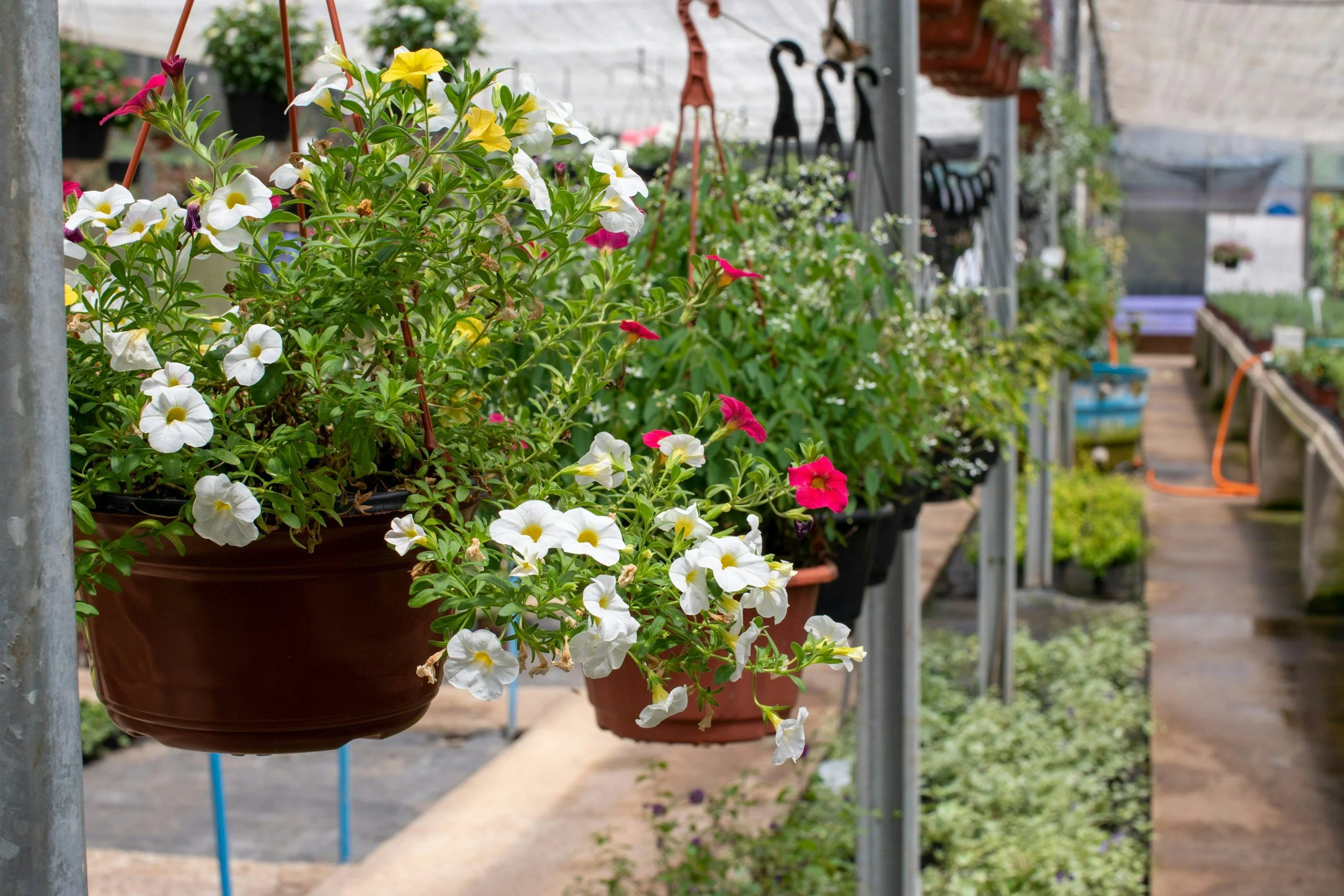
If you’re gardening on a balcony, patio, or small backyard, composting can feel limiting. Space is tight, smells are a concern, and traditional piles aren’t always practical. This is where bokashi shines.
1. Compost Without the Compost Pile
Bokashi systems use sealed buckets, making them perfect for indoor or small-space use. Food scraps are layered with inoculated bran (made with LAB), fermented over 1–2 weeks, and then ready to be buried in soil or added to a community compost system.
This means you can:
Divert food waste from landfills
Create nutrient-rich pre-compost
Contribute directly to a community garden
2. Support Community Soil
Even if you don’t have space to bury your bokashi, you can bring it to:
Community gardens
Shared compost sites
Urban farms
This is permaculture in action: your waste becomes someone else’s resource, strengthening local food systems.
3. Build Healthier Plants in Containers
LAB can be diluted and used as a:
Foliar spray (supports leaf health and resilience)
Soil drench (boosts microbial life in potting soil)
Container soil tends to be biologically limited. LAB helps reintroduce life, improving nutrient cycling and plant vitality.
For the Grower: Scaling Regeneration
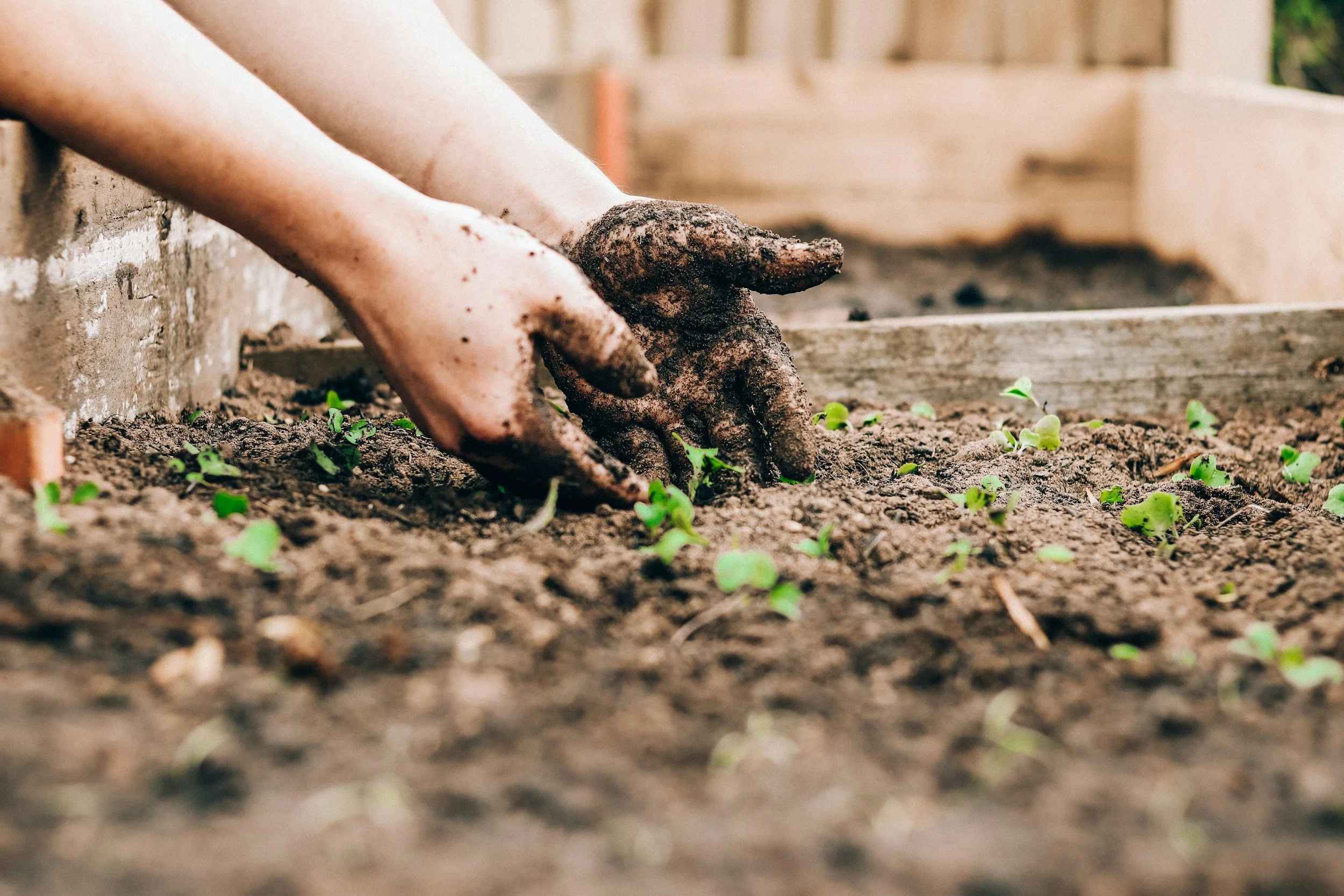
If you have a garden, raised beds, or land, LAB and bokashi become even more powerful. They shift from being just a composting method to a soil-building strategy.
1. Accelerated Organic Matter Breakdown
Bokashi-treated material breaks down rapidly once added to soil. Instead of waiting months for compost, you’re seeing integration in weeks. This is especially valuable for:
Bed preparation
Crop turnover
Seasonal transitions
2. Feeding the Soil Food Web
LAB doesn’t act as a fertilizer—it acts as a biological catalyst. It supports:
Beneficial bacteria and fungi
Nutrient cycling processes
Soil aggregation (better structure and aeration)
Over time, this leads to:
Improved water retention
Reduced compaction
Increased fertility without synthetic inputs
3. Improving Challenging Soils (Like Clay)
In places like Houston, where clay soils can limit water infiltration and root growth, microbial activity is key. LAB and bokashi help:
Break down organic inputs into humus
Create pore spaces in soil
Encourage earthworm activity
Combined with mulching and organic matter, this can gradually transform dense soil into a more workable, living system.
4. On-Site Resource Cycling
Instead of importing compost or fertilizers, you can:
Use kitchen scraps, crop residues, and local inputs
Ferment them with bokashi
Return them directly to your soil
This reduces costs, increases independence, and aligns with permaculture’s principle of using and valuing renewable resources.
Why This Matters (Beyond the Garden)
LAB and bokashi are not just techniques—they represent a shift in mindset.
From Linear to Circular
Most modern systems are linear:
buy → use → throw away
Bokashi turns that into:
consume → compost → regenerate → harvest → enjoy
From Waste to Resource
Food scraps are no longer trash—they are:
Microbial fuel
Soil-building material
Community contribution
From Inputs to Ecology
Instead of adding more products, you’re cultivating relationships:
Between microbes and plants
Between waste and soil
Between individuals and community systems
A Shared Path Forward
Whether you’re a patio gardener or managing land, the invitation is the same:
Start small.
Observe what changes.
Build from there.
For the apartment gardener, that might mean a single bokashi bucket and sharing with a local garden. For the grower, it might mean integrating fermented inputs into beds and developing a closed-loop system.
Both are practicing the same principle:
Work with living systems, and they will do the work for you.
Getting Started
How to Make a LAB Starter for Bokashi
Make rice wash water
Rinse rice in water and save the cloudy rinse water in a jar.Let it ferment
Cover loosely and let it sit at room temperature for 2–4 days, until it smells slightly sour.Add milk
Mix 1 part fermented rice water with 10 parts milk in a larger container.Ferment again
Cover loosely and let sit for about 5–7 days, until the mixture separates into curds on top and yellow liquid below.Strain the liquid
Remove the curds and save the yellow liquid. This is your LAB serum.Stabilize it
Mix the serum 1:1 with molasses to help preserve it.
Use for bokashi
Dilute with water 1:50 and spray directly into your bokashi bucket or to bran or another dry carrier carbon material to make your bokashi starter.
Make a simple LAB culture at home
Inoculate bran or another dry material
Start fermenting your food scraps
Return them to soil (yours or your community’s)
From there, the system begins to teach you.
In permaculture, resilience comes from diversity, relationships, and cycles that sustain themselves over time. LAB and bokashi offer a practical, accessible way to step into that cycle—turning everyday waste into living soil, and small actions into long-term regeneration.
To learn the benefits of Bokashi hands on, come to our next workshop on May 9th